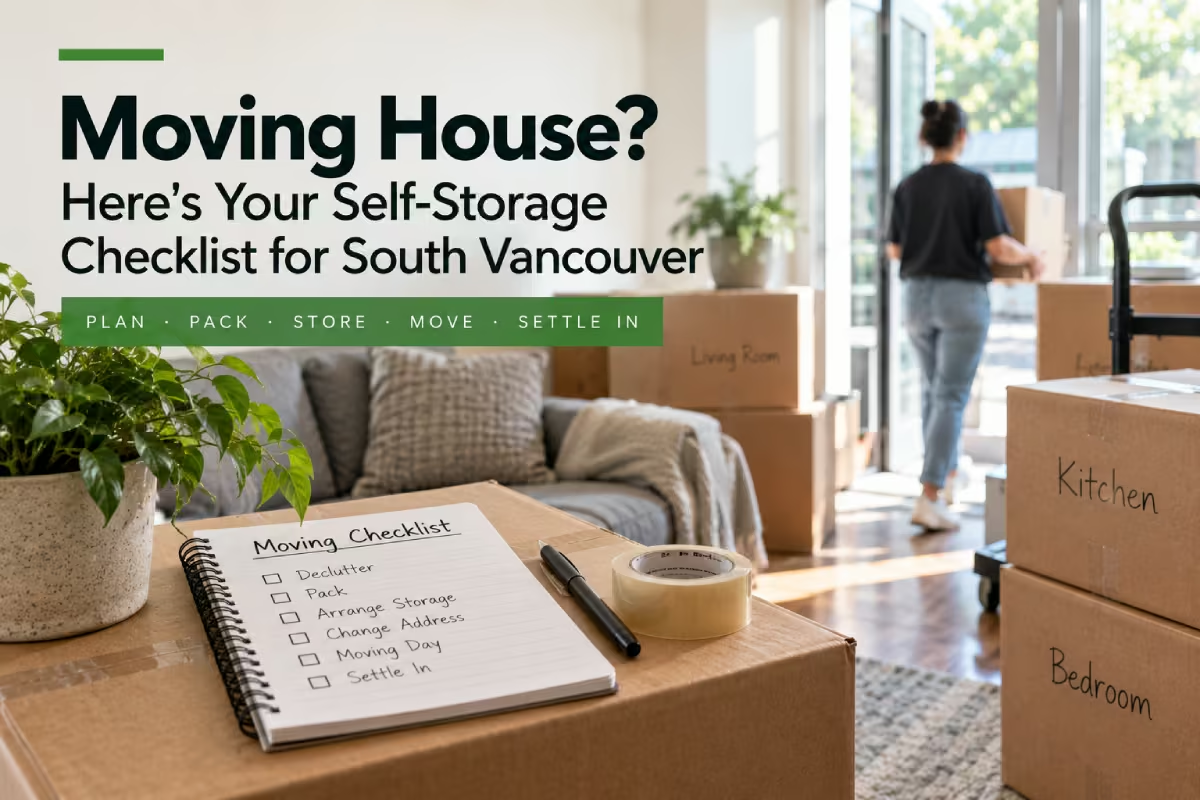
Moving House? Here's Your Self-Storage Checklist for South Vancouver
Moving house usually starts with excitement and ends with wondering how you accumulated so much stuff.
Between packing boxes, changing addresses, organizing movers, cleaning, dealing with furniture and trying to remember where you packed the kettle, it is easy for moving day to become chaotic.
A good moving checklist makes the process much easier.
And if your move-out and move-in dates do not line up perfectly, your new home is smaller, or you simply want fewer things in the way while you settle in, temporary storage can give you some breathing room.
This South Vancouver moving guide walks through what to do before moving day, what to pack first, what belongs in storage, and how to organize everything so you are not searching through 30 identical boxes a week later.
Start Planning Your Move Early
If possible, start preparing for your move six to eight weeks before moving day. You do not need to start sealing boxes immediately. The first step is figuring out what the move actually involves.
Write down:
- Your move-out date
- Your move-in date
- Key pickup or possession dates
- Elevator booking requirements
- Moving company dates
- Cleaning dates
- Items that need to go into storage
- Furniture that needs to be sold or donated
- Address changes you need to make
- Utilities or services you need to cancel or transfer
This is also the time to identify any gap between your two homes.
If you need to leave your current apartment on June 28 but cannot move into the new one until July 3, you already know you need a short-term plan for your belongings. Storage can also help when you technically have access to both homes but do not want to move everything at once.
General Store-All offers month-to-month storage in Vancouver, which can be useful when your moving timeline is uncertain or you only need extra space temporarily.
Decide What Goes With You and What Goes Into Storage
Do this before you pack. Otherwise, every box becomes part of the same pile and you will end up sorting everything again on moving day. Create three main groups.
Going to the new home
These are the belongings you know you want immediately:
- Everyday clothing
- Kitchen essentials
- Beds and mattresses
- Regularly used furniture
- Work equipment
- Toiletries
- Children's everyday belongings
- Electronics you use regularly
Going into storage
Storage works best for things you want to keep but do not need immediately:
- Seasonal decorations
- Off-season clothing
- Extra furniture
- Books
- Sports gear
- Camping equipment
- Spare household items
- Boxes you want to sort later
- Furniture that may not fit until you arrange the new home
If you are between homes or simply need temporary space during the move, residential storage in South Vancouver can keep these belongings out of the way while you settle in.
Leaving your household completely
Some things should not move anywhere. Create separate groups for:
- Donate
- Sell
- Recycle
- Dispose
Moving is one of the best opportunities you will get to clear belongings you no longer need. Do not pay movers to transport something you already know you do not want.
Declutter Before You Pack
One of the most useful packing tips for moving is actually to pack less. Every item you remove now means:
- One less thing to wrap
- One less thing to put into a box
- One less thing to carry
- One less thing to unpack
- Potentially less storage space required
Start with the easiest areas:
- Pantry
- Bathroom cupboards
- Linen closets
- Spare bedroom
- Storage room
- Bookshelves
- Garage or balcony storage
Ask yourself:
Have I used this recently?
Will it fit in the new home?
Would I buy it again today?
Is it worth paying someone to move it?
If the answer keeps coming back no, it probably does not need to make the trip.
Choose the Right Storage Unit
If you know you will need storage, choose the approximate size before moving week. Do not wait until the moving truck is loaded to figure out where half your belongings are going.
Start with an inventory of what will go into storage. A lighter load such as 10 boxes, a couple of suitcases, seasonal decorations and sports equipment may only need a small unit. A medium load with a mattress, bed frame, dresser, desk, bicycle and 15 to 20 boxes will probably need more room. A larger moving load with sofas, beds, dining furniture, appliances and 30 or more boxes may require a large unit.
If you are unsure, use our storage unit size guide before selecting a unit. You can then compare available Vancouver storage unit sizes once you know roughly how much space you need. The main thing is to choose based on what you are actually storing rather than guessing from a generic apartment size.
Pack in the Right Order
Do not begin by packing the things you use every day. Start with belongings you are unlikely to need before moving day. Good early packing candidates include:
- Books
- Artwork
- Decorations
- Seasonal clothing
- Spare bedding
- Guest-room items
- Collectibles
- Extra kitchenware
- Sports equipment
- Hobby supplies
As moving day gets closer, work toward everyday items. A simple rule is:
Pack from least-used to most-used.
That keeps your home functional while gradually reducing the amount left to deal with. Good packing is also about protecting what you own.
Use smaller boxes for heavy items such as books and larger boxes for lighter belongings. Avoid leaving too much empty space inside boxes, because items can shift during transport. Label boxes with more detail than just the room name.
Instead of:
Kitchen
write:
Kitchen - pots, pans and baking dishes
If some boxes are going directly into storage, mark them clearly.
For example:
STORAGE - CHRISTMAS
or
STORAGE - BOOKS
Photograph the cables behind electronics before disconnecting them, and keep furniture hardware in labelled bags so screws and fittings do not disappear during the move.
What to Do During Moving Week
During the final week, prepare an essentials box or bag that stays with you rather than going onto the moving truck.
Include:
- Phone chargers
- Medication
- Toiletries
- Toilet paper
- Towels
- Change of clothes
- Basic cleaning products
- Important documents
- Water
- Snacks
- Coffee or tea supplies
- Basic tools
- Pet supplies
- Children's essentials
Treat it like luggage for an overnight stay. On moving day, make sure the movers know which belongings are going to the new home and which are going into storage.
The truck should not be loaded randomly.
If storage is your first stop, the items going there should be positioned so they can be unloaded without moving everything intended for your new home.
Clear labels make this much easier. Heavy furniture and large items should also be properly secured during transport rather than allowed to shift in the truck.
Organize Your Storage Unit Properly
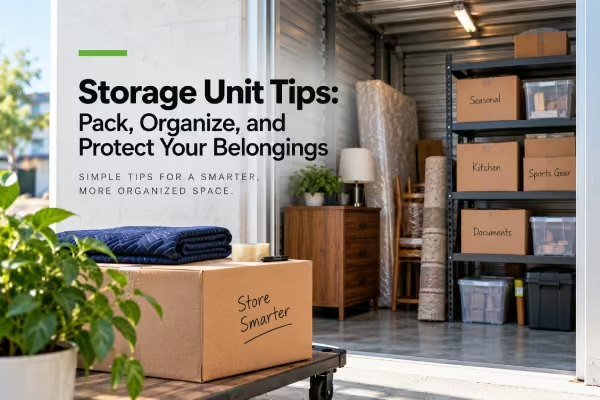
When you arrive at the storage unit, do not simply unload everything into the first available space. Think about what you will need later. Items you are unlikely to use soon can go toward the back:
- Seasonal decorations
- Archived documents
- Spare furniture
- Books
- Long-term keepsakes
Items you may need within a few weeks should stay closer to the front:
- Seasonal clothing
- Tools
- Children's items
- Sports equipment
- Kitchen boxes you are unsure about
- Furniture you may bring into the new home later
Large furniture usually works best toward the back or sides of the unit. Disassemble bulky items where possible, keep strong and heavy boxes at the bottom, and stack lighter boxes above them. Keep labels facing outward and group similar items together.
For example:
- Kitchen
- Bedroom
- Seasonal
- Books
- Office
- Family keepsakes
If there is enough room, leave a narrow walkway through the unit. That small amount of open space can save you from unloading half the unit later just to reach one box at the back.
What Not to Put Into Storage
A storage unit is useful, but it is not the right place for everything.
Always confirm the facility's rules before moving items in. In general, avoid storing things such as:
- Perishable food
- Flammable materials
- Explosives
- Hazardous chemicals
- Wet belongings
- Items that can leak
- Anything illegal
- Living plants or animals
Wet belongings deserve particular attention. If outdoor furniture, clothing or other items become wet during the move, let them dry fully before storing them.
Moisture trapped inside boxes or furniture coverings can cause problems later. Once you are in your new home, do not feel pressured to empty the storage unit immediately. Give yourself time to arrange the new space first. Figure out where furniture fits, how much closet space you actually have and which stored belongings you genuinely need.
That is one of the biggest benefits of using self storage for moving. Instead of filling every room with boxes on day one, you can unpack in stages.
South Vancouver Moving Checklist
Use this condensed checklist as moving day approaches.
6–8 weeks before
- Confirm moving dates
- Book movers if needed
- Measure the new home
- Identify what may need storage
- Begin sorting unwanted belongings
- Create your moving budget
4–6 weeks before
- Donate or sell unwanted belongings
- Make a storage inventory
- Choose an approximate storage unit size
- Gather boxes and packing supplies
- Start packing rarely used items
2–4 weeks before
- Pack decorations, books and seasonal belongings
- Label storage and new-home boxes separately
- Arrange utilities and address changes
- Confirm movers
- Reserve storage if required
- Start dismantling furniture you no longer need daily
One week before
- Confirm moving-day times
- Finish most packing
- Prepare your essentials box
- Photograph valuable or fragile items
- Separate important documents
- Confirm storage access details
Moving day
- Keep essentials with you
- Tell movers which items go to storage
- Load according to destination
- Check every room before leaving
- Organize storage rather than dropping everything inside
- Keep frequently needed belongings near the front
After moving
- Unpack essentials first
- Arrange major furniture
- Decide which stored belongings you actually need
- Donate or sell anything you no longer want
- Empty storage when the transition is complete
Make Moving Day Easier Before It Arrives
The easiest moves are rarely the ones with the fewest belongings.
They are the ones with a plan. Start early, declutter before packing, separate your storage load from your new-home load, label everything clearly and keep the things you will need immediately away from the moving truck. If your dates do not line up or you need extra room while settling into your new place, temporary storage can take a lot of pressure out of the process.
You can compare storage units and sizes in Vancouver, review residential storage options in South Vancouver, or reserve a storage unit once your moving dates are confirmed.