
Downsizing in Vancouver: A Storage Checklist for a Smoother Move
Downsizing a home can feel very different from an ordinary move.
You are not simply packing everything you own and taking it somewhere else. You may be moving into a smaller condo, helping a parent transition to a new home, clearing a house after many years, reducing monthly expenses, or simply deciding that you no longer need as much space.
That means every room comes with decisions.
What should come with you? What should be donated? What can go to family? What should be sold? And what do you want to keep even though there may not be room for it in your next home?
That last category is where storage units in Vancouver can be particularly helpful.
A storage unit does not have to become a permanent home for belongings you never use. During a major transition, it can give you breathing room while you settle into a smaller home and decide what belongs in the next stage of your life.
If you're downsizing locally, residential storage in South Vancouver can also work as temporary space between your old home and your new one.
This downsizing checklist walks through the process room by room, including how to sort your belongings, protect furniture and books, decide what belongs in storage, and choose the right amount of storage space.
Start With One Important Rule: You Don't Have to Decide Everything Today
One reason downsizing becomes overwhelming is that people try to make hundreds of permanent decisions in a very short period. Imagine opening a cupboard and finding:
- Family photographs
- Old letters
- Books
- Children's keepsakes
- Holiday decorations
- Wedding gifts
- Furniture inherited from family
- Items you intend to give to your children
- Things you have not used recently but are not ready to give away
A simple "keep or get rid of it" system does not always work. Instead, divide your belongings into five categories:
- Take to the new home
- Give to family or friends
- Sell
- Donate or dispose
- Store and decide later
The fifth category is important.
Temporary storage can remove some of the pressure from downsizing. Instead of making an emotional decision because moving day is approaching, you can place selected belongings into storage and revisit them after you are settled.
General Store-All offers month-to-month Vancouver storage options, which can make more sense during a transition than committing to space you may not need permanently.
Your Vancouver Downsizing Checklist
There is no perfect way to downsize a home. Working in stages, however, can make the process considerably easier. Use this checklist as your starting point.
1. Confirm How Much Space You Will Have
Before deciding what stays and what goes, understand your next home.
Get the measurements for:
- Bedrooms
- Living room
- Dining area
- Closets
- Kitchen cupboards
- Storage rooms
- Balcony or patio
- Parking storage
- Building storage locker, if included
Do not rely only on square footage.
A smaller home may have excellent closet space, while a larger condo may have very little room for bulky furniture.
Measure large furniture as well. Knowing that your sofa, dining table, dresser, or bookcase physically fits can prevent unnecessary moving and storage costs later. If you already know roughly how much will not fit, compare small, medium, and large storage unit sizes before you begin packing.
2. Create a Simple Floor Plan
You do not need architectural software. Sketch each room and write down its approximate dimensions. Then decide which major furniture pieces have an obvious place. For example:
Living room
- Sofa
- Coffee table
- Television
- One side table
Bedroom
- Bed
- Two nightstands
- Dresser
Dining area
- Smaller dining table
- Four chairs
If you have three bookcases but room for only one, you have identified a downsizing decision before moving day. The same applies to extra bedroom furniture, dining sets, desks, cabinets, and storage furniture. Furniture that will not fit but that you still want to keep may be better suited to a medium storage unit or larger space depending on how much you have.
3. Start Downsizing Earlier Than You Think
If possible, do not leave the entire process until the final week. Start with belongings that involve very little emotional decision-making. Good first categories include:
- Expired products
- Broken items
- Duplicate kitchen tools
- Old paperwork you no longer need
- Clothes that no longer fit
- Empty boxes
- Damaged linens
- Unused household supplies
These quick decisions create visible progress. Once you have built momentum, move on to more difficult categories such as books, furniture, photographs, collections, and family keepsakes. If your moving dates do not line up perfectly, temporary residential storage can also give you somewhere to keep packed belongings before the final move.
4. Work One Room at a Time
Walking around the entire house picking random items usually creates more mess. Choose one room. Finish as much of that room as possible before moving to another. A practical order might be:
- Storage room or basement
- Spare bedroom
- Home office
- Kitchen
- Dining room
- Living room
- Main bedroom
- Personal keepsakes
Starting with less emotional spaces makes the harder rooms feel more manageable later.
5. Create a "Definitely Coming With Me" Category
Set aside belongings that you already know belong in the new home. These are not things you need to debate. Examples could include:
- Everyday clothing
- Medication
- Important paperwork
- Favourite books
- Frequently used kitchenware
- Laptop and electronics
- Personal photographs
- Daily toiletries
- Bedding
- Items with strong personal importance
Once these essentials are separated, it becomes easier to see how much remaining space you are actually dealing with.
What Should You Put in Storage When Downsizing?
Not everything that does not fit needs to be sold or donated. Storage can make sense for belongings that are useful, valuable, seasonal, sentimental, or temporarily without a place. Common downsizing storage items include:
- Furniture
- Books
- Photographs
- Family keepsakes
- Seasonal clothing
- Holiday decorations
- Artwork
- Documents
- Extra kitchenware
- Sporting equipment
- Tools
- Children's belongings
- Items being passed to family later
For mostly boxes, documents, books, and smaller belongings, a small storage unit may provide enough room without paying for unnecessary floor space.
The key is to store intentionally. Do not use storage simply because you do not want to open a box. Ask yourself a few questions.
Would I be disappointed if I permanently lost this?
If yes, keeping it for now may make sense.
Could I easily replace it for less than the cost and effort of storing it?
If yes, storage may not be worthwhile.
Do I know who will eventually receive it?
If yes, temporary storage can be useful while arrangements are made.
Am I keeping it only because making a decision feels difficult?
If yes, give yourself a date to revisit it.
When Temporary Storage Makes Sense During Downsizing
Not every storage situation needs to be long term. Downsizing often happens in stages.
You might sell your current home before your new place is ready. You may move into a temporary rental. Renovations could delay your final move. Family members may also need time to collect furniture or belongings you have set aside for them.
In situations like these, flexible storage can serve as a bridge between homes. General Store-All's Vancouver storage units and current pricing include different size categories, so you can choose space based on what actually needs to be stored rather than treating every downsizing move the same.
If you're unsure what size makes sense, the General Store-All storage FAQs also answer common questions about unit sizes, rental periods, access, packing supplies, and what you can store.
Downsizing Furniture: What Should Stay?
Furniture often creates the biggest problem because it occupies much more room than boxes. Start with measurements. Then divide furniture into three groups.
Furniture That Fits the New Home
Move these pieces directly.
Furniture That Has No Place in the New Home
Decide whether to:
- Sell it
- Donate it
- Give it to family
- Put it into temporary storage
Furniture You're Not Ready to Decide About
This is where storage can help.
Perhaps you have a dining table your children may want later. Maybe a dresser has sentimental value. You may be moving temporarily and expect to need more furniture again within a year.
In these situations, storing the piece can give you more time to make a decision. For furniture plus several moving boxes, review medium storage units in Vancouver.
If you're downsizing from a larger home and keeping sofas, mattresses, dining furniture, or several rooms of belongings, a large storage unit may give you more room to organize everything without creating one tightly packed stack.
Measure Furniture Before Paying to Move or Store It
Before putting large furniture onto the moving truck, measure:
- Width
- Height
- Depth
Also measure:
- Elevators
- Hallways
- Door frames
- Staircases
- The intended location in your new home
There is little benefit in paying movers to transport a large cabinet only to discover that it will not fit through the new doorway. Measurements also help when selecting storage. Knowing roughly how much furniture and how many boxes you have makes it easier to compare GSA storage unit sizes before reserving.
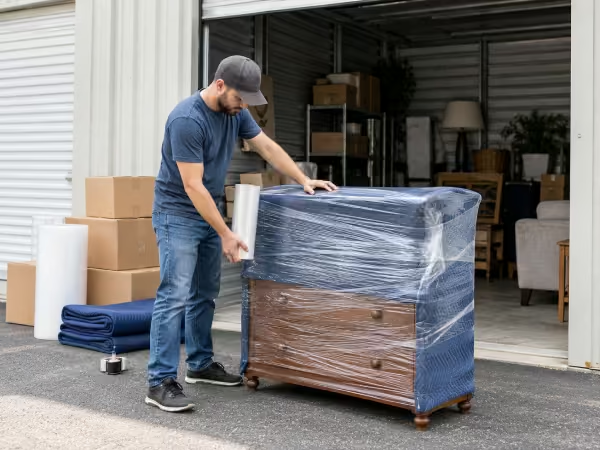
How to Prepare Furniture for Storage
If furniture is going into storage rather than directly into your new home, prepare it first.
Clean It
Remove:
- Dust
- Food
- Dirt
- Pet hair
- Moisture
- Items inside drawers
Let Everything Dry
Never wrap damp furniture.
Disassemble What You Can
Remove:
- Table legs
- Bed frames
- Shelves
- Removable sofa legs
- Mirrors
- Detachable furniture components
Keep screws and fittings in labelled bags.
Protect Finished Surfaces
Useful materials can include:
- Moving blankets
- Furniture covers
- Corner protectors
- Bubble wrap
- Cardboard
- Furniture stretch wrap
If you still need boxes, tape, or other materials, packing and moving supplies may be available on-site. It is worth checking availability before move-in.
How to Downsize a Book Collection
Books can be one of the hardest categories to reduce. A bookcase may represent decades of reading, education, hobbies, gifts, and memories. Instead of treating the entire collection the same way, create smaller groups.
Keep at Home
Choose:
- Favourite books
- Books you regularly reread
- Reference books you still use
- Sentimental copies
- Valuable editions
- Books connected to hobbies
Give to Family or Friends
Someone close to you may want part of the collection. This can be especially useful for books connected to shared interests or family history.
Donate or Sell
Books that are easy to replace and unlikely to be read again may be better candidates for donation or sale.
Put in Storage
Storage can work for books you want to keep but do not have room to display immediately. A compact small storage space may be enough if your downsizing storage mainly consists of books, boxes, seasonal belongings, documents, and other smaller items. The important part is packing books correctly.
How to Keep Paperbacks in Storage
If you are wondering how to keep paperbacks in storage, protecting them from moisture and physical pressure should be the priority. Paperbacks can bend, warp, fade, and develop damaged covers when they are packed carelessly.
Make Sure Every Book Is Dry
Never pack damp books. Even slight moisture can become a larger problem once books are tightly packed together.
Use Strong Boxes
Choose clean, sturdy boxes. Books become heavy quickly, so several smaller boxes are often easier to handle than one oversized box filled completely with books.
Pack Books Flat or Upright
Books can generally be packed:
- Flat in neat stacks
- Upright as they would sit on a shelf
If packing them upright, support them so they are not leaning heavily against one another. Avoid storing books on their spines or fore-edges.
Don't Overpack the Box
A box completely filled with books may become too heavy to lift comfortably. Leave enough room to handle it properly.
Protect Valuable Books Separately
For older, sentimental, or valuable books, consider suitable archival materials rather than ordinary newspaper.
Keep Books Away From Moisture
Do not place book boxes in areas where they may come into contact with water. For books, documents, clothing, and other belongings that may benefit from a more stable indoor environment, ask about available storage options in South Vancouver.
Label Book Boxes Properly
Do not just write:
BOOKS
Use labels such as:
- Fiction
- Cookbooks
- Family books
- History
- Reference
- Children's books
- Keep long term
- Give to Sarah
Specific labels make it much easier to find something later.
Downsizing Important Papers and Documents
Paperwork can accumulate for decades. Before putting documents into storage, separate them into three categories.
Keep Accessible
Examples may include:
- Identification
- Current financial records
- Property documents
- Insurance information
- Estate documents
- Medical records you regularly need
- Current contracts
These should remain easy to access.
Digitize
Some records can be scanned and stored digitally instead of occupying physical space.
Archive
Documents you need to retain but rarely access may be suitable for organized storage. Use clearly labelled folders or file boxes instead of mixing documents into general moving boxes.
The small storage unit options are particularly relevant when most of what you need to store consists of files, documents, boxes, clothing, or personal belongings rather than bulky furniture. For questions about sensitive or unusual belongings, check what can be stored at General Store-All before move-in.
What About Photographs and Family Keepsakes?
Photographs, letters, albums, and family memorabilia are usually poor candidates for rushed decisions. You do not need to sort through decades of family history simply because the moving truck arrives next week.
Instead:
- Remove obvious rubbish or duplicates.
- Separate especially important items.
- Label the remaining boxes clearly.
- Store them safely.
- Review them after the move.
You can gradually digitize photographs and documents after you have settled into your new home. For smaller quantities of keepsakes and labelled boxes, compact storage units may be more practical than renting space intended for furniture.
Downsizing the Kitchen
Kitchens are often full of duplicates. Ask yourself how many of each item you genuinely need in the new home.
Look at:
- Pots
- Pans
- Baking trays
- Plates
- Mugs
- Glassware
- Small appliances
- Food storage containers
- Serving dishes
- Cutlery
- Specialty cooking equipment
If you have not used a kitchen appliance in several years, moving it into a smaller kitchen may not make sense. Some seasonal serving pieces or family items, however, may still be worth keeping in storage.
Downsizing Clothing
Sort clothing into:
- Everyday wear
- Formal clothing
- Seasonal clothing
- Sentimental clothing
- Donate
- Discard
Seasonal items can be good candidates for storage when closet space in the new home is limited. Again, this does not necessarily require a large unit. GSA's small storage units are designed for boxes, clothing, documents, seasonal items, and other compact belongings.
Do Not Forget Seasonal Items
Many belongings are used for only a few weeks each year.
Examples include:
- Holiday decorations
- Winter gear
- Summer equipment
- Camping gear
- Seasonal sports equipment
- Extra bedding
- Suitcases
You may not need these taking up valuable closet space throughout the year. Using residential self storage in South Vancouver for seasonal overflow can help make a smaller home easier to manage while keeping belongings you still use.
Label Every Storage Box Properly
Good labels become even more important when downsizing because your belongings may be going to several destinations.
Instead of:
Kitchen
Write:
STORAGE - Kitchen - Serving dishes
Instead of:
Books
Write:
STORAGE - Paperbacks - Fiction A-M
You can also number boxes:
- Box 1 of 14
- Box 2 of 14
- Box 3 of 14
Keep a simple list on paper or your phone showing what is inside each box. This turns your unit into an organized extension of the home rather than a room full of mystery boxes.
Make a Storage Unit Map
If you expect to keep your unit for more than a few weeks, sketch a simple layout.
For example:
Back wall
- Dining table
- Spare dresser
- Furniture being kept long term
Left side
- Books
- Documents
- Keepsakes
Right side
- Holiday decorations
- Clothing
- Kitchen boxes
Front
- Items family members will collect
- Frequently accessed boxes
Leave a walkway if the unit size allows. If keeping several rooms of furniture, the extra floor area offered by larger storage units can make it easier to create these zones and keep boxes accessible.
Keep Frequently Needed Items Near the Front
Ask yourself what you are most likely to retrieve first. Those boxes belong near the entrance.
Examples could include:
- Seasonal clothing
- Tax records
- Photo albums
- Tools
- Holiday decorations
- Items being collected by family soon
Furniture and long-term archive boxes can usually go farther back.
Avoid Turning Storage Into Permanent Procrastination
Storage is useful during downsizing, but it works best when it has a purpose. Create a review date.
For example:
Three months after moving
Visit the unit and identify anything you no longer want.
Six months
Ask family members to collect items set aside for them.
One year
Review belongings you have not used or thought about. You may discover that some items are much easier to let go of once the move itself is behind you. The advantage of month-to-month storage is that the unit can support the transition without automatically becoming a permanent commitment.
How Much Storage Space Do You Need When Downsizing?
The right size depends on what you are keeping.
Small Storage
Consider a small storage unit if you're mainly storing:
- Boxes
- Books
- Seasonal clothing
- Keepsakes
- Documents
- Smaller household belongings
Medium Storage
A medium storage unit may make sense for:
- Furniture and boxes
- A mattress
- Chairs
- Tables
- Apartment belongings
- Several rooms of smaller items
Large Storage
Consider large storage units when you have:
- Multiple large furniture pieces
- Dining sets
- Sofas
- Beds
- Large quantities of boxes
- Belongings from several rooms
- A need to keep a walkway for ongoing access
Do not automatically choose more storage than you need. Careful sorting before the move can reduce your space requirements considerably. Compare the full range of Vancouver storage unit sizes and current prices after you have created a rough inventory.
What If You're Not Sure Which Storage Size You Need?
You do not need to work it out perfectly yourself.
Start by listing:
- Number of boxes
- Sofas and chairs
- Beds and mattresses
- Dressers
- Tables
- Bookcases
- Appliances
- Seasonal items
- Other bulky belongings
Then compare that inventory with the available storage unit sizes. If you're still between two sizes, contact General Store-All and explain what you plan to store. You can also read the storage FAQs before choosing.
Downsizing Storage Checklist
Before moving anything into storage, confirm that you have:
- Measured your new home
- Created a basic floor plan
- Sorted belongings into keep, give away, sell, donate, and store categories
- Measured large furniture
- Disassembled furniture where practical
- Cleaned and dried furniture
- Packed books in sturdy boxes
- Separated important documents
- Labelled every box
- Created an inventory
- Set aside frequently accessed items
- Protected fragile belongings
- Selected an appropriate unit size
- Planned how the unit will be organized
- Created a date to review your stored belongings later
Before move-in, the General Store-All FAQs are also worth checking for current information on access, packing supplies, storage rules, unit changes, and rentals.
Why Use Local Storage During a Vancouver Downsizing Move?
When you're moving to a smaller home, having storage nearby can make the transition easier.
You may need to visit the unit several times as you:
- Move items into the new home
- Give belongings to family
- Collect seasonal items
- Sell furniture
- Review old boxes
- Decide what you ultimately want to keep
General Store-All has served South Vancouver since 1986. You can learn more about the facility and its local history on the About General Store-All page.
You can also review why customers choose General Store-All if you're comparing local storage options.
Downsizing Doesn't Mean Letting Go of Everything at Once
Moving into a smaller home can be a positive change. There may be less maintenance, fewer unused rooms, lower costs, and less clutter to manage. Getting there can still involve difficult decisions. You do not have to make all of them on moving day.
Keep the belongings that clearly belong in your next home. Give away the things you're ready to pass on. Sell or donate what no longer serves you. For everything else, temporary downsizing storage in Vancouver can give you time to settle before deciding what you truly want to keep.
Start by comparing General Store-All storage units and pricing. If your belongings are primarily household items, furniture, boxes, clothing, books, and seasonal items, you can also learn more about residential storage in South Vancouver.
Already know roughly what you need?
Reserve a storage unit online.
Still deciding between sizes?
Contact the General Store-All team and tell them what you plan to store.