
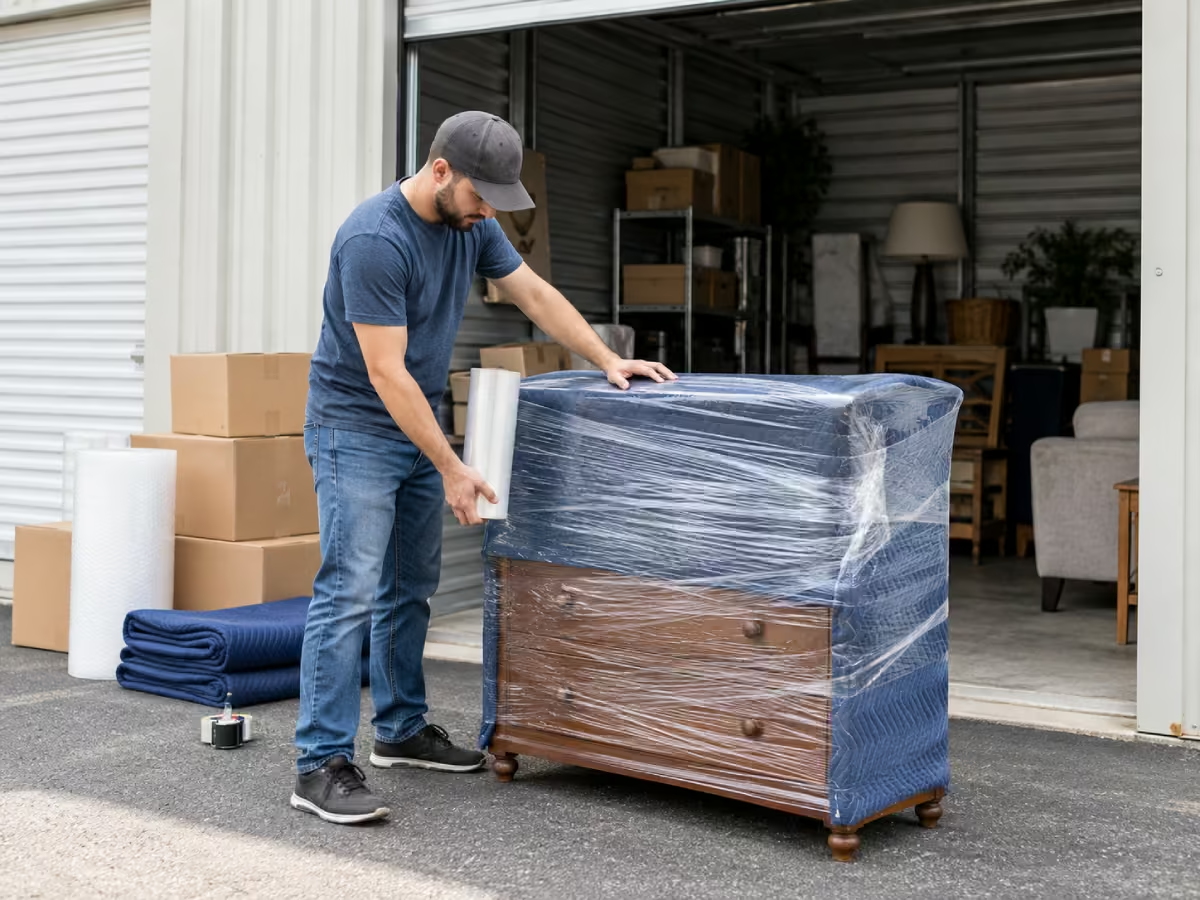
How to Shrink Wrap Furniture for Storage
Moving furniture into storage takes more preparation than simply covering it in plastic and carrying it out the door.
Wood can get scratched. Upholstery can collect dust. Corners can chip during transportation. Drawers can slide open. And if furniture is wrapped while it is still damp, trapped moisture can cause problems during longer storage periods.
Using shrink wrap for furniture, moving blankets, padding, and bubble wrap can help protect your belongings while they are being moved and stored. The key is knowing which material belongs where and avoiding the common mistake of tightly sealing every type of furniture directly in plastic.
If you're preparing for a move, renovation, downsizing project, or simply need more room at home, this guide explains how to wrap furniture properly before placing it in residential storage.
What Is Furniture Shrink Wrap?
Furniture shrink wrap is a plastic wrapping material used to protect furniture and keep other protective materials in place during a move.
However, there is an important distinction.
What many people call furniture shrink wrap is actually stretch wrap. Stretch wrap clings tightly as you pull it around an object. It does not require heat.
True shrink wrap contracts when heat is applied. For everyday household moving and storage, stretch-style furniture wrap is generally much easier to use because there is no need to apply heat around wood, upholstery, padding, or other household materials.
Furniture wrap can help:
- Hold moving blankets in position
- Keep drawers and cabinet doors closed
- Reduce exposure to dust and dirt
- Protect furniture during transportation
- Secure padding around corners and edges
- Hold removable components together
- Prevent loose cushions from shifting
It is best thought of as part of a complete furniture-packing system rather than the only material you need.
Should You Shrink Wrap Furniture for Storage?
Yes, but how you use the wrap matters.
For short moves, plastic furniture wrap can provide an effective outer protective layer. For furniture that will remain in storage for months, you should pay closer attention to the material underneath the plastic and make sure the furniture is completely dry before wrapping it.
Wood, leather, fabric, and other materials can be affected by trapped moisture. Instead of tightly applying plastic directly against every piece of furniture, use a protective layer first when appropriate.
For example, you could prepare a wooden dining table by:
- Cleaning and drying the table.
- Removing the legs if possible.
- Covering the tabletop with a clean moving blanket.
- Adding extra protection around the corners.
- Using furniture stretch wrap to hold the blanket securely in place.
You get the benefits of shrink wrap for furniture without unnecessarily pressing plastic directly against the finished wood surface for an extended period.
If you have several pieces of furniture to store, it is also worth checking storage unit sizes and pricing before you start packing. Knowing how much space you have can help you decide which pieces should be disassembled.
What Do You Need to Wrap Furniture for Storage?
You do not need specialized equipment for most household furniture.
A basic furniture-packing kit can include:
- Furniture stretch wrap
- Moving blankets
- Furniture covers
- Bubble wrap
- Cardboard
- Foam corner protectors
- Packing paper
- Packing tape
- Painter's tape
- Zip-top bags
- Labels
- Permanent markers
- Basic tools for disassembling furniture
Different furniture needs different protection.
A wooden dresser does not need to be packed the same way as a glass coffee table. A fabric sofa has different requirements from a metal bed frame. If you still need boxes or other materials before move-in, check GSA's information on packing and moving supplies or contact the team to confirm what is currently available on-site.
How to Shrink Wrap Furniture for Storage
The best time to prevent storage damage is before the furniture reaches the unit.
Here is the complete process.
1. Clean Your Furniture Before Wrapping It
Do not wrap furniture while it is dirty. Dust, food crumbs, grease, pet hair, dirt, and spills can remain trapped underneath the covering for weeks or months. Start by cleaning each piece according to its material.
For upholstered furniture:
- Vacuum the surface.
- Remove cushions.
- Vacuum underneath them.
- Clean between seams.
- Remove crumbs and pet hair.
For wood furniture:
- Wipe away dust.
- Use an appropriate wood-safe cleaner when needed.
- Clean drawers and shelves.
- Remove anything stored inside.
For glass:
- Clean both sides.
- Remove fingerprints and residue.
- Check carefully for existing cracks.
For metal:
- Wipe away dirt.
- Check for moisture.
- Look for areas that may already be rusting.
Cleaning also makes it easier to inspect the furniture before storage.
2. Let the Furniture Dry Completely
Never rush from cleaning directly into wrapping. Furniture must be completely dry first.
Check:
- Upholstery
- Cushions
- Seams
- Wood joints
- Drawer interiors
- The underside of furniture
- Recently cleaned fabric
- Areas where liquid cleaner may have collected
If moisture gets trapped underneath tightly applied plastic, it has very little opportunity to escape. This becomes even more important when you are preparing furniture for long-term storage. Give cleaned furniture enough time to air dry before continuing.
3. Disassemble Large Furniture
One of the easiest ways to protect furniture is to make it smaller before moving it.
Where practical, remove:
- Table legs
- Sofa legs
- Bed frames
- Headboards
- Shelves
- Removable desk sections
- Dresser mirrors
- Chair legs
- Removable cushions
Disassembled furniture is usually easier to carry through doors, less likely to hit walls, and easier to organize inside a storage unit. It can also reduce the total amount of floor space you need.
Put screws, bolts, washers, brackets, and other hardware into labelled bags. Label the bag according to the piece of furniture it belongs to. For complicated furniture, take a few photos before taking it apart. Those photos can save a lot of time when you eventually rebuild it.
4. Protect Furniture Corners and Edges
Corners are often damaged before the furniture even reaches storage. A table can be wrapped perfectly across its main surface and still get chipped when one corner hits a doorway. Protect exposed areas such as:
- Table corners
- Desk edges
- Dresser corners
- Chair arms
- Bed frame edges
- Decorative wooden pieces
- Metal protrusions
You can use folded cardboard, foam protectors, moving blankets, or bubble wrap. Once the padding is in position, use stretch wrap to keep it from moving.
5. Cover Larger Furniture With Moving Blankets
Moving blankets provide a useful barrier between the furniture and the outside environment. They are especially useful for:
- Dining tables
- Dressers
- Desks
- Wooden cabinets
- Bed frames
- Chairs
- Larger furniture pieces
Cover as much of the furniture as possible, paying close attention to corners and finished surfaces. Do not worry if the blanket is initially loose. That is where the furniture shrink wrap comes in. Rather than relying on plastic to provide all the protection, use the plastic wrap to hold your protective padding in place.
6. Apply Furniture Wrap From the Bottom Up
Once everything is clean, dry, and protected, start wrapping. Begin around the lower section of the furniture. Walk around the item while keeping moderate tension on the roll. Each new layer should overlap part of the previous layer. This helps keep the wrapping stable. Continue upward until the protective material is securely held in position.
You do not need to pull the wrap as tightly as possible. The objective is to secure the furniture, not compress it. Overtightening can put unnecessary pressure on:
- Upholstery
- Corners
- Decorative details
- Furniture joints
- Softer materials
Use enough tension to keep the protective layers from moving.
7. Keep Drawers and Doors Closed
Stretch wrap can be particularly helpful for furniture with moving parts. Dressers, cabinets, entertainment units, and similar furniture may have doors or drawers that open while being carried.
Instead of using strong packing tape directly on a finished furniture surface, wrap around the entire piece to hold the doors and drawers closed. This gives you a secure hold without applying adhesive directly to the finish. Do not leave loose drawers inside furniture if they are likely to slide around or fall out during transportation.
Should You Shrink Wrap or Bubble Wrap Furniture?
Both materials are useful, but they serve different purposes. Furniture stretch wrap is good for holding materials together and creating an outer protective layer. Bubble wrap is better when you need cushioning. That makes bubble wrap particularly useful for:
- Glass
- Mirrors
- Fragile decorations
- Furniture corners
- Removable glass shelves
- Delicate components
- Handles and other protruding parts
If you are wondering whether you should bubble wrap furniture instead of using stretch wrap, you usually do not need to choose only one. They can work together.
For example:
Glass table
Bubble wrap the glass carefully, protect the corners, and then secure the protective materials.
Wood dresser
Cover it with a moving blanket and use stretch wrap to keep the blanket in position.
Fragile chair
Pad delicate sections with bubble wrap, cover larger surfaces appropriately, and secure everything with furniture wrap.
Think of bubble wrap as cushioning and stretch wrap as securing.
How to Wrap a Sofa for Storage
Sofas need a little more care because fabric can hold moisture, dust, and odours. Start by removing cushions if they are detachable.
Then:
- Vacuum the sofa thoroughly.
- Clean any stains.
- Let the sofa dry completely.
- Remove the legs if practical.
- Protect exposed wooden or metal components.
- Use a clean furniture cover or moving blanket.
- Use furniture wrap where necessary to hold the protective material securely.
Do not wrap a damp sofa. If the cushions have recently been washed or steam cleaned, give them plenty of drying time before putting them into storage.
A sofa and several boxes can often fit into one of GSA's medium storage units, depending on the size and quantity of your belongings. Larger furniture sets may require more room.
How to Wrap Wood Furniture for Storage
Wood furniture deserves special attention because scratches are not the only concern.
Before storage:
- Clean the wood.
- Make sure it is completely dry.
- Empty drawers.
- Remove shelves where practical.
- Disassemble larger components.
- Protect finished surfaces.
- Pad corners carefully.
Avoid using strong adhesive tape directly on finished wood.
For long-term storage, do not treat plastic as a substitute for proper padding and preparation. A moving blanket can help separate the finished surface from the outside wrapping. Dining tables, wardrobes, large dressers, bed frames, and multiple furniture pieces may be better suited to large storage units, where you have more room to organize bulky items without forcing everything into a tight stack.
How to Wrap Glass Furniture
Glass tables, cabinet doors, shelves, and mirrors require additional cushioning. Start by separating removable glass components whenever possible.
Then:
- Clean the glass.
- Let it dry.
- Cover it with packing paper or another suitable protective layer.
- Add bubble wrap.
- Protect the corners.
- Secure the wrapping without excessive pressure.
- Clearly label the item as fragile.
Avoid placing heavy furniture or boxes against stored glass. Whenever possible, keep glass components in a stable position where they are unlikely to shift.
How to Wrap Leather Furniture
Leather furniture should be clean and dry before storage. Do not simply seal leather tightly inside layers of plastic.
A breathable cover or suitable furniture protection can help protect the surface while reducing unnecessary moisture buildup. Avoid putting adhesive directly on leather.
Keep sharp objects away from the surface, and do not stack boxes or heavy items on leather sofas or chairs. For furniture or other household belongings that may benefit from more stable indoor conditions, you can compare the available storage options in Vancouver before choosing your unit.
Common Furniture Wrapping Mistakes
Furniture wrapping is simple, but a few common mistakes can create unnecessary problems.
Wrapping Furniture While It Is Damp
This is probably the biggest mistake. If you cleaned the furniture recently, wait until it is fully dry.
Using Only Plastic Wrap
Plastic can hold materials in position, but it does not provide much cushioning on its own. Use blankets, cardboard, foam, or bubble wrap where protection from impact is needed.
Applying Tape Directly to Furniture
Strong packing tape can leave adhesive residue or affect certain finishes. Whenever possible, tape protective materials to themselves rather than to the furniture.
Forgetting the Corners
Corners and edges are often the first areas to hit doors, walls, carts, or other furniture. Protect them separately.
Wrapping Too Tightly
More tension does not automatically mean more protection. Overtightened wrap can compress cushioning and put unnecessary pressure on furniture.
Leaving Furniture Assembled When It Could Be Taken Apart
Removing legs, shelves, and other components can make furniture easier to transport and can help you use storage space more efficiently.
Putting Furniture Into the Wrong Size Unit
Even perfectly wrapped furniture can be damaged if everything is forced into a unit with no room to move. Before reserving, compare GSA's small, medium, and large storage unit options based on the amount of furniture you're storing.
How to Organize Wrapped Furniture Inside a Storage Unit
Wrapping the furniture is only half the job. How you arrange it inside the unit matters too.
Put Heavy Furniture in First
Move larger, heavier pieces into position before filling the unit with smaller boxes. This can include:
- Sofas
- Dressers
- Tables
- Bed frames
- Cabinets
Keep a Walkway
If you expect to access your belongings during storage, leave a small path through the unit. A little extra organization at move-in can prevent you from having to remove half of the unit later to reach one box.
GSA's large storage units can be useful when you're storing multiple rooms of belongings and want extra room to keep items organized and accessible.
Do Not Stack Heavy Boxes on Furniture
Avoid placing heavy boxes on:
- Upholstered furniture
- Sofas
- Fragile tables
- Chairs
- Glass
- Furniture with delicate finishes
Furniture is not shelving. Use sturdy boxes and proper shelving where appropriate.
Keep Frequently Used Items Near the Front
If something may be needed before everything else comes out of storage, keep it accessible. Examples might include:
- Seasonal items
- Tools
- Important documents
- Children's items
- Frequently used boxes
Label Disassembled Furniture
A wrapped table leg can look surprisingly similar to other long furniture components several months later. Label disassembled pieces before storing them.
What Size Storage Unit Do You Need for Furniture?
The answer depends on how much furniture you have.
A few smaller furniture pieces plus boxes may fit comfortably in a medium unit, while a full household move can require substantially more room.
GSA currently offers storage units in different sizes, so it is worth comparing your inventory before choosing.
Medium Storage Units
A medium storage unit can work well for situations such as:
- Apartment moves
- Furniture plus boxes
- A mattress and bedroom furniture
- Renovation storage
- Smaller household loads
Large Storage Units
A large storage unit provides more space for:
- Couches
- Dining sets
- Dressers
- Mattresses
- Multiple rooms of furniture
- Full moves
- Long-term storage
- Bulky household belongings
Do not automatically choose the largest unit available. Planning how your furniture will be disassembled and stacked can help you use the space efficiently. If you are still unsure, you can contact General Store-All and explain what you plan to store before reserving.
Is Shrink Wrap Good for Long-Term Furniture Storage?
Furniture wrap can still be useful for long-term storage, but preparation becomes more important as the storage period increases. Before storing furniture for several months:
- Clean everything thoroughly.
- Make sure every item is completely dry.
- Use appropriate padding.
- Avoid trapping moisture.
- Disassemble large pieces.
- Keep items off unstable stacks.
- Leave room to access important belongings.
- Check that fragile furniture is not carrying unnecessary weight.
Choosing an appropriate storage environment also matters. General Store-All offers residential storage in South Vancouver for household belongings including furniture, boxes, seasonal items, moves, renovations, downsizing, and longer-term storage needs.
Can You Store Furniture Without Shrink Wrap?
Yes. Shrink wrap is helpful, but it is not mandatory for every piece of furniture. Depending on the material and how long it will be stored, you might use:
- Moving blankets
- Furniture covers
- Clean sheets
- Bubble wrap
- Cardboard
- Corner protectors
- Packing paper
The best combination depends on what you are protecting. The goal is not to cover every item in as much plastic as possible. The goal is to keep furniture clean, dry, padded, stable, and protected from movement.
Furniture Storage Checklist
Before closing your storage unit, run through this quick checklist:
- Furniture cleaned
- Furniture completely dry
- Large pieces disassembled
- Hardware labelled
- Photos taken before disassembly
- Corners protected
- Fragile parts padded
- Moving blankets secured
- Furniture wrap applied where appropriate
- Glass clearly labelled
- Boxes labelled
- Heavy items placed securely
- Walkway left where possible
- Frequently used items accessible
If you have questions before move-in, GSA's storage FAQs cover common questions about unit sizes, access, reservations, long-term storage, and packing supplies.
Store Your Furniture With More Room to Breathe
Proper wrapping can help your furniture arrive in storage in the same condition it left your home.
Start by cleaning and completely drying each item. Disassemble larger furniture when possible. Protect corners and delicate surfaces. Use bubble wrap for cushioning, moving blankets for broader protection, and furniture shrink wrap or stretch wrap to keep those protective materials securely in place.
Then make sure your storage unit gives you enough room to organize everything without crushing furniture underneath heavy boxes.
General Store-All offers storage units in South Vancouver for furniture, household belongings, apartment moves, renovations, and longer-term storage. Packing and moving supplies may also be available on-site, making it easier to pick up essentials around your move-in.
Already know how much space you need? You can reserve your storage unit online, or contact the General Store-All team if you want help choosing a size.