How Much Does Self-Storage Really Cost in Vancouver? A Straight-Talk Price Guide
If you are wondering how much a storage unit costs in Vancouver, the short answer is that it can range from under $50 a month for a small storage locker to several hundred dollars for a larger unit.
But unit size is only part of the price.
Where the unit is located inside the facility, how easy it is to access, how much space you actually need, and the type of storage you choose can all affect your monthly bill.
That is why comparing storage based on one advertised price can be misleading. This guide explains what really determines storage costs, what different unit sizes can cost, and how to avoid paying for more storage space than you actually need.
How Much Does a Storage Unit Cost Per Month in Vancouver?
There is no single monthly price that applies to every storage unit in Vancouver. A compact locker for a few boxes will naturally cost much less than a ground-floor unit capable of holding furniture from an apartment or home.
At General Store-All in South Vancouver, current storage options are divided into three broad categories:
These are starting points rather than a quote for every unit. The exact amount depends on the dimensions, location within the facility and current availability.
If you want to see the latest numbers before making a decision, compare the current storage unit prices in Vancouver.
The most important point is that you should compare the total space you need, not simply choose the lowest advertised monthly rate. A $50 locker is inexpensive only if your belongings actually fit inside it.
What Determines the Cost of a Storage Unit?
If you search how much does a storage unit cost, you will see a wide range of prices. That happens because storage is not priced on square footage alone.
Several factors can affect what you pay.
1. Unit Size
This is usually the biggest factor.
A small locker designed for boxes requires much less floor space than a unit that can hold mattresses, sofas, dining furniture and dozens of moving boxes.
Generally, the larger the unit, the higher the monthly rent. However, price does not always increase perfectly with every square foot because other factors also matter.
2. Location Inside the Facility
A unit that is especially easy to access can cost more than another unit with similar dimensions. For example, ground-floor units may be priced differently from second-floor units, upper lockers or units that require ladder access.
That difference can matter if you are moving:
- Heavy furniture
- Appliances
- Business inventory
- Large quantities of boxes
- Items you need to access regularly
If you are storing lightweight seasonal items that you rarely need, paying extra for the easiest possible access may not be necessary.
3. Type of Storage
Indoor storage, temperature-controlled space and other facility features can affect pricing. The cheapest option is not automatically the best option if your belongings need a cleaner or more stable storage environment.
Think about what you are storing before comparing prices.
4. Rental Length
Some people need storage for several years. Others only need it during a move, renovation or temporary change in living arrangements. A flexible rental can be useful because you are not paying for months you no longer need.
General Store-All offers month-to-month storage in Vancouver, which means the storage period can follow your actual situation instead of forcing you into a long contract.
5. Current Availability
Storage pricing can also depend on which units are currently available. You may know you need approximately 40 square feet, for example, but the exact unit configuration available when you move in can affect the rate.
This is one reason it makes sense to check live pricing rather than relying on an old blog post, screenshot or advertisement.
How Unit Size Changes Your Monthly Storage Cost
The simplest way to understand storage pricing is to look at what you are actually trying to store.
Small Storage Units
Small storage space works well when you are trying to clear closets or get occasional belongings out of your home.
Typical items include:
- Moving boxes
- Seasonal decorations
- Luggage
- Sports equipment
- Tires
- Clothing bins
- Small pieces of furniture
- Files and documents
At General Store-All, small options currently include compact lockers and units up to roughly the 4 x 7-foot range. If this sounds like what you need, compare the available small storage units before moving into a larger category.
Medium Storage Units
Medium units make more sense once furniture enters the picture. They can work well for an apartment move, renovation, downsizing project or a combination of furniture and stacked boxes.
Common sizes include options around:
- 4 x 8
- 4 x 10
- 5 x 10
- 5 x 12
- 6 x 8
A medium storage unit may hold items such as a mattress, dresser, chairs, bikes, storage bins and boxes, depending on the exact dimensions and how efficiently everything is packed.
Explore the available medium storage units in Vancouver if you are storing more than boxes but do not need space for a full household.
Large Storage Units
Large storage units are generally for bigger moves, larger furniture collections, renovations or situations where several rooms need to be cleared. They may also be useful when you need enough space to create an aisle and access belongings without unloading the entire unit.
General Store-All's larger options include units above the medium-size range, including spaces close to 10 x 10 and larger configurations. You can compare large storage unit sizes if you are moving a substantial amount of furniture or household belongings.
Why Two Units of the Same Size Can Cost Different Amounts
This is one of the easiest parts of storage pricing to miss.
Imagine you are comparing several 4 x 8 units. The floor dimensions may look identical on paper, but one may be on the ground floor, another on the second floor, and another may require rolling-ladder access.
Those units do not necessarily have the same monthly rent.
Why?
Because accessibility has value.
If you are moving a heavy dresser into storage, ground-floor access may save considerable effort. If you are storing a few lightweight boxes for six months and do not expect to visit often, a less convenient unit could be perfectly reasonable.
This is why you should ask two questions:
How much space do I need?
and
How much convenience do I need?
Paying more for easier access can make sense. Paying for it when you will visit once or twice a year may not.
Month-to-Month Storage vs. Longer Commitments
When people ask how much are storage units per month, they often focus entirely on the monthly figure.
But the number of months you keep the unit matters just as much.
Consider a hypothetical $150 monthly rental:
- 2 months = $300 before applicable taxes or other costs
- 4 months = $600
- 6 months = $900
- 12 months = $1,800
A slightly cheaper monthly unit is not necessarily the best deal if you have to commit to it longer than you need.
Month-to-month storage can be useful during:
- Home renovations
- Apartment moves
- Temporary relocations
- Downsizing
- Travel
- Estate organization
- Changes in household space
You can keep the space while you genuinely need it and then reassess instead of treating storage as a permanent expense.
Does Temperature-Controlled Storage Cost More?
Temperature-controlled storage can sometimes cost more than basic storage because the facility is maintaining a more stable indoor environment. Pricing varies by provider, so it is better to compare the actual available units rather than assume a fixed premium.
It may be worth considering for belongings such as:
- Wooden furniture
- Important documents
- Electronics
- Artwork
- Books
- Photographs
- Items that may react poorly to major temperature changes
General Store-All offers temperature-controlled storage options in its South Vancouver facility.
For everyday plastic bins or durable household items, your requirements may be different. The question is not simply, "What is cheapest?"
It is, "What type of space makes sense for what I am storing?"
Extra Storage Costs to Ask About Before Renting
If you want to know how much it is to rent a storage unit, do not stop at the advertised rent. Before signing up with any storage facility, ask what is included in the final monthly amount.
Depending on the provider, things worth confirming can include:
- Applicable taxes
- Locks
- Deposits
- Administrative or setup charges
- Required insurance
- Access-related charges
- Moving or packing supplies
- Promotional rates that later change
Not every storage company charges every one of these fees. The point is simply to ask for the total amount you will actually pay, not just the headline price.
General Store-All's live unit tables show rent, GST and the resulting monthly total separately, making it easier to see the difference between base rent and the final listed amount.
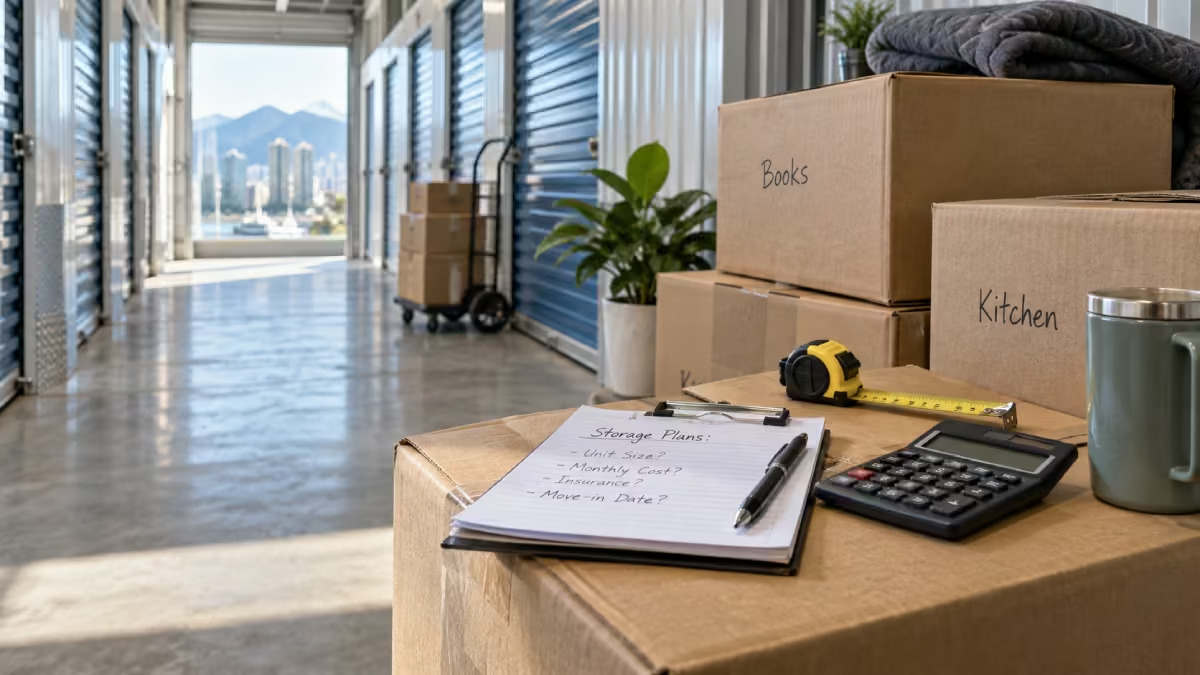
How to Estimate What You Will Actually Pay
Here is a simple way to calculate your likely storage budget.
Step 1: List What You Are Storing
Do not start by choosing a unit. Start with your belongings.
Write down the major items first:
- Bed and mattress
- Sofa
- Dining table
- Dressers
- Bikes
- Large appliances
- Number of boxes or bins
This immediately tells you whether you are dealing with light storage, an apartment-sized load or something larger.
Step 2: Choose the Smallest Size That Fits Comfortably
You want to use vertical space and pack efficiently, but do not force everything into a unit that is too small. Overpacking can make it difficult to access anything later.
On the other hand, renting significantly more space than you need means paying for empty floor area every month.
Step 3: Decide How Important Access Is
Ask yourself how often you expect to visit. If the answer is "almost never," you may have more flexibility in where your unit is located.
If you run a business or regularly need stored belongings, convenient access may be worth a higher monthly rate.
Step 4: Estimate the Number of Months
Multiply the total monthly cost by a realistic rental period. If your renovation is expected to last three months, budget for four in case the project runs late.
If you are downsizing without a fixed end date, month-to-month storage can give you time to make decisions gradually.
Step 5: Check the Current Price Before Booking
Rates and availability can change. Once you know approximately how much space you need, check the live Vancouver storage unit pricing rather than relying on an old estimate.
How to Keep Your Storage Costs Down
You do not necessarily need to find the cheapest storage facility to lower your total cost.
Often, the biggest savings come from renting less space.
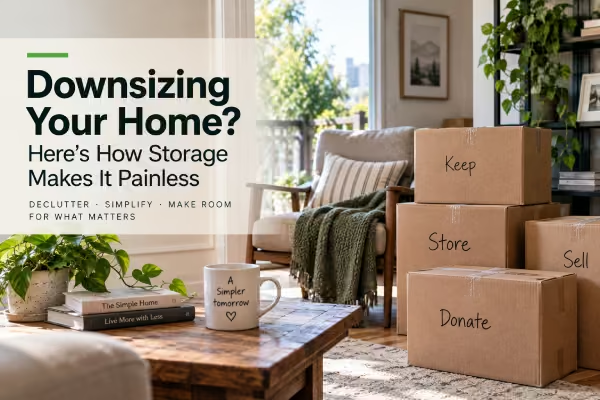
Declutter Before You Move In
Do not pay monthly rent to store things you already know you do not want.
Before moving items into storage, divide them into:
- Keep
- Store
- Donate
- Sell
- Recycle or dispose
Even removing a few bulky items could allow you to choose a smaller unit.
Use Vertical Space
Good stacking makes a major difference.
Use sturdy boxes or storage bins and place heavier items at the bottom. Shelving can also help if you need regular access.
Disassemble Furniture
Bed frames, tables and other furniture may use much less space when safely taken apart. Keep screws and hardware in labelled bags and attach them to the relevant item.
Measure Large Items
A quick measurement of your sofa, mattress, shelving or dining table can prevent you from renting the wrong unit.
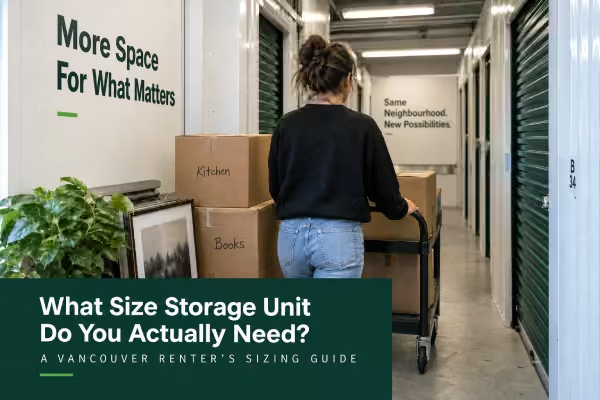
Ask for Help Choosing a Size
If you are stuck between two options, explain what you plan to store. An experienced storage team may be able to tell you whether everything is likely to fit into the smaller unit.
General Store-All has served Vancouver households and businesses since 1986, and its on-site team can help customers compare available spaces rather than simply choosing based on a number online.
When a Larger Storage Unit Is Actually Worth the Money
Choosing the smallest possible unit is not always the right move. A larger unit may be worth the additional cost when:
- You expect to add more belongings later
- You need regular access to stored items
- You want an aisle through the unit
- You are storing large furniture
- You are renovating several rooms
- Your move involves most of a household
- You do not want boxes stacked tightly from floor to ceiling
Storage should make your life easier. If saving $20 or $30 a month means unloading half the unit every time you need one box from the back, the cheaper unit may not be the better value.
The goal is to find the smallest space that still works comfortably for the way you intend to use it.
Know What You Need Before You Pay for It
So, how much to rent a storage unit in Vancouver?
There is no useful one-price answer. Your real cost depends on how much space you need, where the unit is located, how easy it is to access and how long you plan to keep it.
Start by listing what you need to store. Choose a size that fits without leaving unnecessary empty space. Then compare the actual monthly total instead of focusing only on the lowest advertised number.
If you already have a good idea of how much space you need, you can compare General Store-All's storage unit sizes and current Vancouver pricing before choosing a unit.